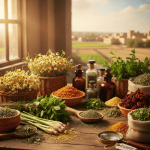
Egyptian hibiscus, also known locally as karkadeh,hibiscus tea, has earned a global reputation for its exceptional quality, vibrant color, and refreshing taste. Whether consumed as a hot tea in winter or a chilled beverage in summer, hibiscus has become an international favorite. Its health benefits such as reducing blood pressure, aiding digestion, and boosting immunity make it a natural choice for health-conscious consumers.
What sets Egyptian hibiscus(karkadeh,hibiscus tea) apart from others grown worldwide is the unique climate and fertile Nile Delta soil. These conditions create flowers with richer pigment and higher antioxidant content, giving Egyptian hibiscus(karkadeh,hibiscus tea) a stronger flavor and deeper red color compared to competitors.

In recent years, the demand for natural and beverages has skyrocketed, and hibiscus fits perfectly into this trend. From Europe to North America and Asia, hibiscus-based products are being used in teas, wellness supplements, and even skincare. Egyptian farmers and exporters have capitalized on this opportunity, positioning hibiscus as a premium export crop.

Another reason behind hibiscus’ global demand is Egypt’s long agricultural tradition. With generations of expertise in cultivating hibiscus, local farmers ensure that every harvest meets strict international quality standards. This consistency has made Egyptian hibiscus a trusted brand in itself across global markets.
For businesses in the herbal and beverage industry, sourcing hibiscus from Egypt ensures a product that is both authentic and competitively priced. From Egypt to the world, hibiscus remains a symbol of quality and tradition.