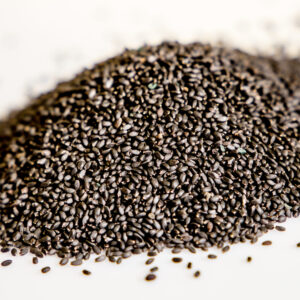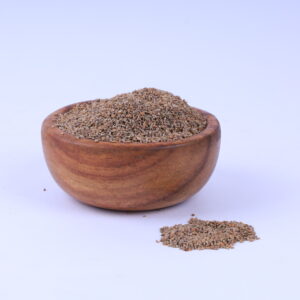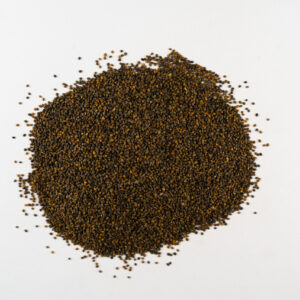

- Product Name: Molokhia Seeds (sowing seed)
- Family: Malvaceae
- Botanical Name: Corchorus olitorius
- Common Names: Molokhia | Mulukhiyah | Jute Mallow
- Cultivation: Conventional only; available without pesticide residue analysis.
- Variety: Egyptian Balady
- Use: Sowing seed
- HS Code: 1209.91
- MOQ: 10 MT, flexible for regular buyers
- Origin: Egypt
- Crop: Nov. – Dec.
Bulk Egyptian Molokhia Seeds – Trusted Supplier from Egypt
Introduction
Source your next container of molokhia seeds directly from Egypt — ISTA-tested Egyptian Balady sowing seed at 99% purity and 80% minimum germination, for commercial leaf production and seed distribution.
Molokhia is a demanding crop to seed well. Germination is temperature-driven — the seed wants 22–28°C soil and sulks below it — and the plant is grown for continuous leaf cutting rather than a single harvest, so an uneven stand costs the grower across the season, not just at establishment.
Balady is the variety the Levantine and Gulf trade expects. The leaf texture and mucilage behaviour that molokhia stew depends on comes from this seed stock rather than from generic jute mallow. We source directly from Egyptian growers, and we work with farms supplying frozen, minced, and dried molokhia manufacturers — so we understand what the downstream buyer needs from the crop.
This is sowing seed, not a food product. Corchorus olitorius seed is not edible. The edible part of the plant is the leaf, harvested 50-60 days after sowing in Egyptian weather. See our dried molokhia leaves page if you need the culinary product.
Request a Quote | Ask for a Sample | Discuss Your Specifications
Available Forms
Egyptian Balady sowing seed — 99% purity, 80% minimum germination, ISTA tested, supplied in 25 kg bags.
Private B2b label packing — custom bags and labelling for seed distributors selling under their own brand.
Agronomic profile:
- Germination time: 14 days under ideal conditions
- Optimal soil temperature: 22–28°C
- Days to maturity: 60 days after sowing
- Sowing: April–May (Egypt & MENA)
- Harvest: June–September
- Sow shallow — molokhia seed is small and buries easily; deep sowing is the usual cause of thin stands
- Warm-season crop — it will not establish in cool soil, so plan around soil temperature rather than calendar date in non-MENA climates
Tell us your region and system, and we can advise on seeding rates.
Quality & Certifications
We stand behind the quality of our molokhia seeds because we build long-term supply partnerships.
ISTA certificate — independent germination and purity testing, supplied for the lot you are buying.
For further independent verification, we accept third-party inspection by SGS or another inspection company of your choice, at the buyer’s expense.
Our certificates and registrations include:
- NFSA registered with the Egyptian Food Safety Authority
- ISO 9001 & ISO 22000 certified for quality and food safety management
- FDA, DUNS, GACC (China), and MFDS (Korea) registered
Beyond certificates, we rely on our family experience and reputation. Our roots in the herb trade go back to 1960, beginning with our grandfather. We protect that reputation with every shipment and seek lasting relationships with importers.
Shipping, Export Coordination & Documentation
Shipping & Logistics:
- FOB and CIF Incoterms, with loading from Port Said, Alexandria, Damietta, and Sokhna ports
- Lead time: 20-25 days after order confirmation
- Cost-effective shipping arrangements through our freight partners
Export Documentation:
- ISTA certificate
- Commercial Invoice
- Packing List
- Certificate of Origin (COO)
- Official Phytosanitary Certificate
- Bill of Lading (BL)
- Fumigation Certificate
- Full insurance policy
Silica gel is placed inside the container to help control humidity and protect the viability of the molokhia seeds during transit.
Packaging, Shelf Life & Storage
Packing Configurations:
- 25 kg Polypropylene (PP) bags, moisture-protected
- 18-20 MT per 20′ FCL
- Customized and private-label packing available on request
Shelf Life: Viability holds up to approximately 12 months in cool, dry storage. Germination declines after that even in physically sound seed, so we recommend ordering against your sowing schedule rather than holding long inventory. We can structure a rolling supply programme if that fits your planting cycle.
Storage Conditions: Store in a cool, dry environment, protected from humidity.
Supply Capacity & What Affects Molokhia Seeds Price
Supply Capacity:
- MOQ: 10 metric tons, flexible for regular buyers
- 18-20 MT per 20′ FCL in 25 kg bags
- Regular shipping availability aligned to the March–June sowing window
- Contract-based programs for continuous annual-volume supply
- Volume terms: free fumigation, plus insurance included on orders above 20 MT
What Affects Molokhia Seeds Price:
- Germination percentage. An 75% lot and a 70%+ lot are different products at different prices. Compare offers on the germination figure.
- Purity grade. Higher purity means more cleaning passes and more loss.
- Variety. True Balady stock prices are above generic Corchorus olitorius, and the difference shows in the crop.
- Crop year. Viability declines within about 12 months, so current-crop seed prices are above carryover.
- Order volume and contract term.
- Timing of the order relative to the harvest season
Because molokhia seed prices vary according to these factors, we quote each shipment individually rather than publish a fixed rate. For better planning, check our Egyptian Herbs, Spices, Seeds & Legumes Harvest Calendar to understand seasonal timing. Send us your volume and germination requirement, and we will quote against it.
Who This Product Is For
Our molokhia seed supply is intended for B2B clients purchasing at container scale for commercial growing and distribution.
- Commercial vegetable growers → fresh-cut molokhia for domestic and export markets
- Frozen and minced molokhia processors → a major category across Gulf and diaspora markets
- Dried leaf producers → air-dried molokhia for shelf-stable retail packs
- Vegetable seed distributors and repackers → private-label supply for regional grower markets
- Agricultural project contractors → large-scale cultivation programmes
We supply container-scale sowing seed to commercial growers and distributors, and do not serve garden-packet quantities or culinary molokhia leaf.
Request a Quote or Sample
- Share your molokhia seed specifications, including volume, germination requirement, and sowing window.
- Confirm your destination port (POD).
- Receive a customized quotation and estimated lead time for the lot on offer.
- Review and approve the sample before shipment — through a factory visit, a video showing the actual seed sample, or a physical sample sent to you when needed.
- Proceed with your first container once the specifications and sample are approved.
Request a Quote
Ask for a Sample
Discuss Your Import Specifications
info@herbseic.com | www.herbseic.com | WhatsApp Us Now| Based in Fayoum, Egypt.
Fast response within 24 hours
FAQs
Q1. Who are we?
We are a third-generation family business established in 2007, with family roots in the herb trade going back to 1960. We process our products in two facilities: manual processing for delicate products and mechanized sorting and processing.
Q2. Can you eat molokhia seeds?
No. Molokhia seed is sowing stock, not food — Corchorus olitorius seed contains cardiac glycosides and is not edible. The edible part of the plant is the leaf, harvested 50–60 days after sowing and sold fresh, frozen, or dried. If you are looking for culinary molokhia, you want the leaf — see our dried molokhia leaves page.
Q3. Is molokhia the same as spinach?
No. Molokhia (Corchorus olitorius) is sometimes called “Egyptian spinach” in English-language markets, but it is an unrelated plant in the Malvaceae family. Spinach is Spinacia oleracea L. The names overlap; the crops do not.
Q4. What variety do you supply?
Egyptian Balady, the standard variety for Egyptian, Levantine, and Gulf markets. It is what determines the leaf texture and mucilage character that molokhia dishes depend on.
Q5. What germination rate do you guarantee?
80% minimum, ISTA-tested, certificate supplied for the lot you are buying. If your programme needs a higher figure, raise it at the quotation stage.
Q6. When should molokhia be sown?
April to June in Egypt and the MENA region, timed so soil temperature sits in the 22–28°C range. It is a warm-season crop and establishes poorly in cool soil, so in other climates plan around soil temperature rather than the calendar.
Q7. How long does the seed stay viable?
Up to about 12 months in cool, dry storage. Germination declines after that even when the seed looks sound, so we recommend ordering against your sowing schedule.
Q8. What is the MOQ, and how can I verify my order?
10 metric tons, flexible for regular buyers; a 20′ container holds 20 MT in 25 kg bags. You can verify your order through a
factory visit, video verification, or third-party inspection such as SGS at the buyer’s expense, and follow your shipment through our export process.