
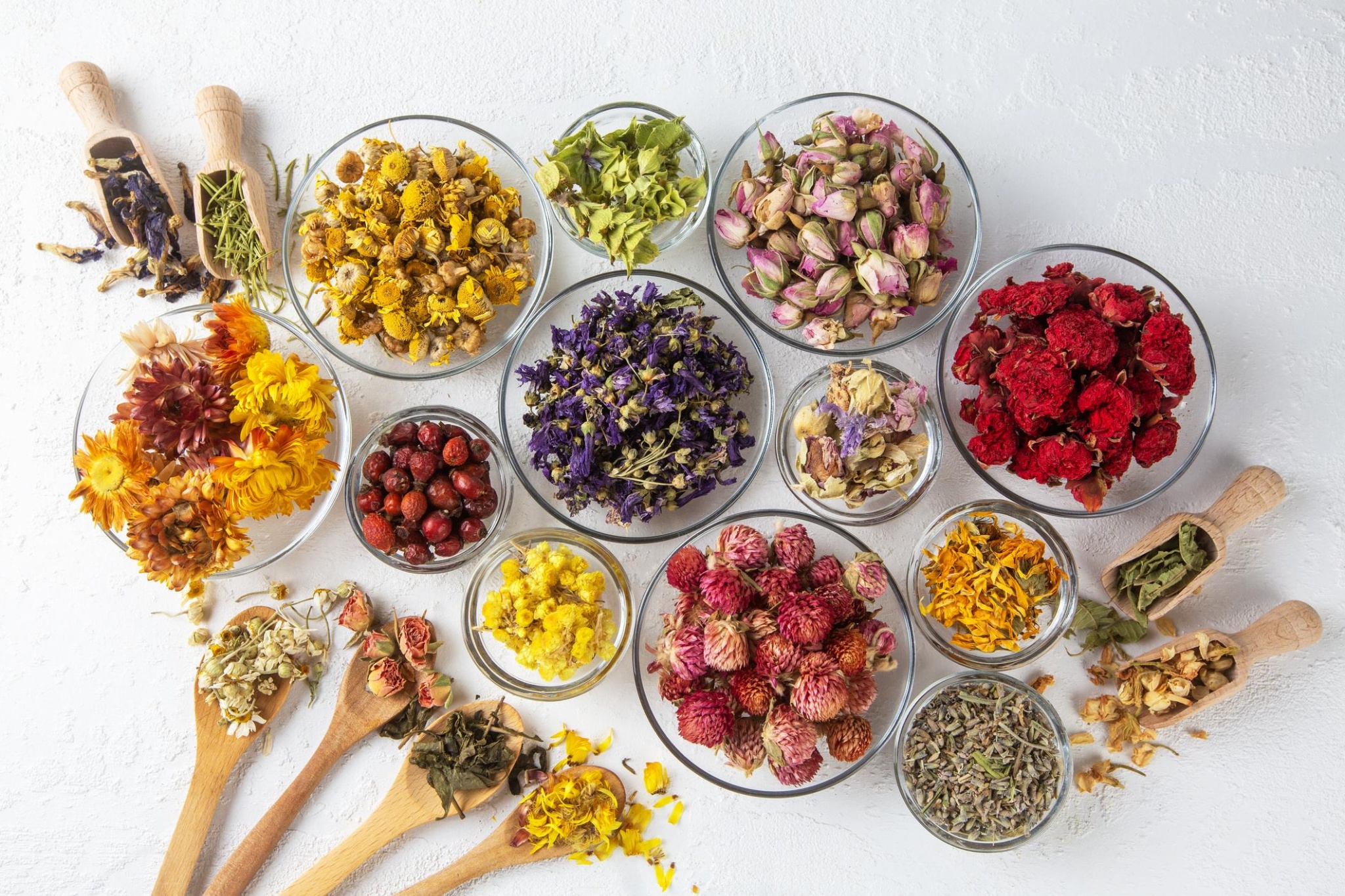
Egyptian Herbs, Spices, Seeds & Legumes Harvest Calendar
Egyptian Harvest Calendar for Herbs, Spices, Seeds & Legumes
Plan Your Purchases at the Right Time
Successful importing isn’t only about choosing the right supplier.
It’s also about choosing the right buying time.
Many Egyptian herbs, spices, legumes, and seeds are harvested only during specific seasons. Purchasing shortly after the harvest season often provides wider availability of premium grades and more competitive pricing.
This page is designed to help international importers plan purchases around Egypt’s harvest seasons and make more informed sourcing decisions.
Why Harvest Timing Matters
Harvest timing can influence several important purchasing factors, including:
• Product availability
• Premium grade availability
• Market pricing
• Production planning
• Shipment scheduling
Planning your purchases around the harvest season can help improve purchasing efficiency while reducing unexpected supply challenges.
Egyptian Harvest Calendar
Click on any product name to view its complete specifications, available grades, packing options, and export information.
| Product | Harvest Season | Recommended Buying Period | Planning Notes |
|---|---|---|---|
| Chamomile Flowers | January – March | February – March | Premium flower grades are generally most available during and shortly after harvest. Early purchasing may also provide better pricing opportunities. |
| Calendula Flowers | January – May | February – May | Early purchasing usually provides better color consistency, freshness, and wider premium-grade availability. |
| Hibiscus Flowers | December – January | December – March | Fresh crop availability is highest during this period, offering vibrant color and better export selection. |
| Spearmint | March – Sep. | March – Oct. | Fresh seasonal production generally offers stronger aroma, greener color, and wider grade selection. |
| Dried Molokhia Leaves | July – September | July – October | Planning purchases early helps secure fresher production lots and premium leaf quality. |
| White Kidney Beans | April – May Nov. – Dec. | April – July Dec. – Feb. | New crop availability often provides better pricing and more consistent quality. |
| Caraway Seeds | April – May | May – July | Fresh crop becomes available immediately after harvest, providing wider purchasing options. |
| Fennel Seeds | April – May | May – July | Buying during the recommended period generally improves availability and pricing opportunities. |
| Coriander Seeds | April – May | May – July | Early purchases provide access to the newest crop and broader grade availability. |
| Sesame Seeds | September – October | October – November | Early buying generally improves availability and access to the new crop. |
| Anise Seeds | April – May | May – July | New crop availability generally provides better aroma, cleaner seeds, and wider grade selection. |
| Basil | May – Sep. | May – Nov. | Fresh seasonal production generally offers better color, aroma, and leaf quality. |
| Basil Seeds | June – July | June – Aug. | Early purchasing may provide better availability and more consistent quality. |
| Bay Leaves | Nov. – March | Dec. – May | Buying during the recommended period helps secure fresher leaves and better appearance. |
| Black Cumin Seeds (Nigella Seeds) | April – May | May – July | New crop availability generally offers better oil content and improved seed quality. |
| Sunflower Seeds | July – August | July – October | New crop availability generally provides better quality and purchasing flexibility. |
| Cumin Seeds | April – May | May – July | Early purchasing generally improves availability and access to premium grades. |
| Chickpeas | April – May | May – June | New crop availability generally improves quality consistency and purchasing flexibility. |
| Dill Seeds | June – July | June – Aug. | Fresh crop generally offers better appearance and stronger natural aroma. |
| Fenugreek Seeds | April – May | May – July | Fresh crop generally provides cleaner seeds and more consistent quality. |
| Flax Seeds | April – May | May – July | New crop availability generally improves freshness and export availability. |
| (Brown/Red) Lentils | April – May | May – June | New crop generally offers more consistent quality and competitive pricing. |
| Rosemary | May – July | May – Aug. | Fresh harvest generally provides stronger aroma and greener leaves. |
| Lemongrass | April – Sep. | May – Oct. | Fresh harvest generally offers better aroma and cleaner leaf appearance. |
| (sweet/bitter) | April – May | May – June | New crop generally provides better availability and more consistent quality. |
| Marjoram | March – Sep. | March – Oct. | Fresh seasonal production generally provides stronger aroma and greener color. |
| Moringa | May – Oct. | May – Nov. | Early purchasing helps secure fresher leaves and wider grade availability. |
| Sage | March – May | April – July | Fresh seasonal production generally offers better leaf quality and aroma. |
| Guava Leaves | Aug.– Dec. | Sep.– January | Fresh seasonal production generally offers better leaf quality and aroma. |
| Oregano | March – Sep. | March – Oct. | Fresh seasonal production generally offers stronger aroma and greener leaves. |
| Parsley | Dec.– March | Dec.– May | Early purchasing generally provides fresher leaves and better color retention. |
| Thyme | March – Sep. | March – Oct. | Fresh seasonal production generally offers stronger aroma and improved leaf quality. |
| Peppermint | March – Sep. | March – Oct. | Fresh seasonal production generally offers stronger aroma and improved leaf quality. |
Continue the table with all EIC products.
Buying Outside the Harvest Season
Buying outside the recommended buying period does not necessarily mean products are unavailable.
However, depending on the product and market conditions, buyers may experience:
Reduced availability of premium grades
Higher market prices
Limited quantities
Longer waiting times for newly harvested crops
Planning purchases ahead of time helps reduce these challenges.
Frequently Asked Questions
Why don’t all products share the same harvest season?
Each crop has its own growing cycle based on Egypt’s climate and agricultural conditions. As a result, every product reaches its optimum harvesting period at a different time of the year.
Does buying long after the harvest season always mean lower quality?
Not necessarily. Many products remain suitable for export well beyond the harvest season. However, premium grades are often more widely available shortly after harvest, while prices may increase later depending on supply and demand.
Can harvest seasons change?
Yes. Harvest periods may vary each year slightly due to weather conditions and agricultural factors.
Should I plan purchases before the harvest season?
For many products, discussing purchasing plans before or during the harvest season helps improve production planning and product availability.
Is this calendar suitable for all Egyptian suppliers?
Harvest seasons are generally similar throughout Egypt, although slight regional variations may occur.
Need Help Planning Your Purchases?
Not sure when to buy a specific product?
Tell us which Egyptian herbs, spices, legumes, or seeds you’re planning to import, and our export team will recommend the ideal buying period based on Egypt’s harvest calendar.
This service is provided to help international importers make better purchasing decisions—whether you choose EIC or another supplier.
